Private jet route
Private jet charter from Dubai to Riyadh
Dubai → Riyadh
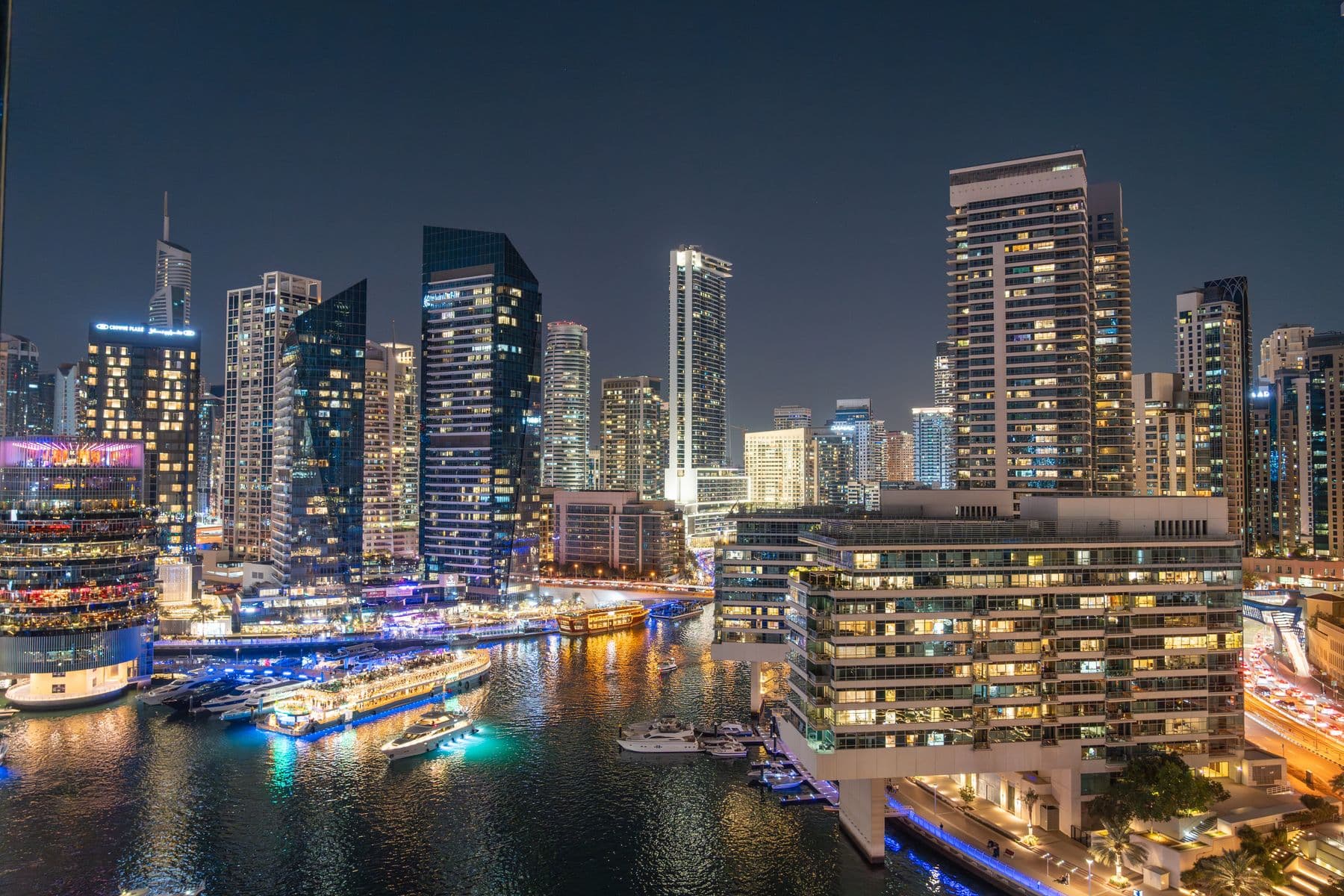 Dubai
Dubai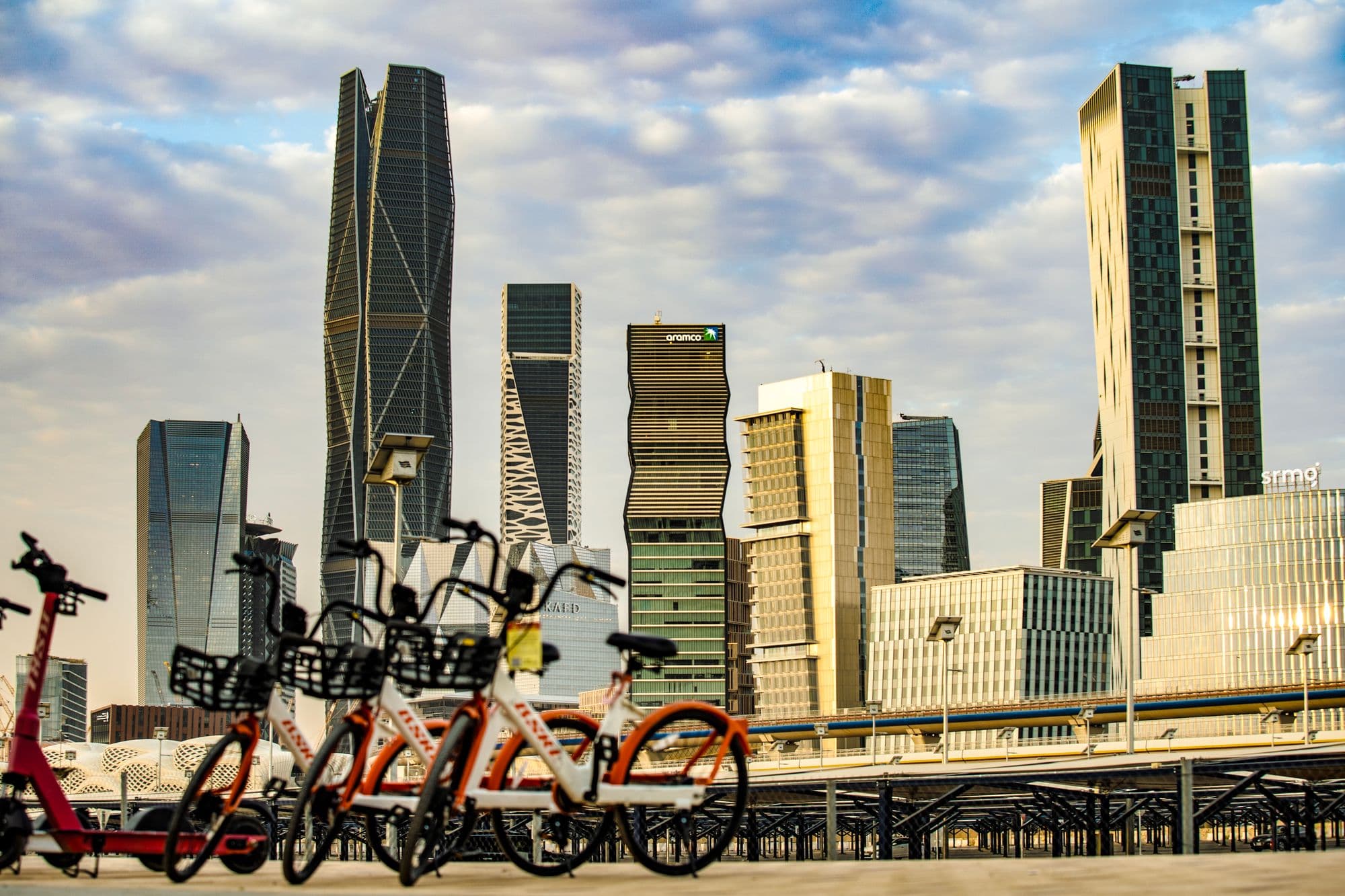 Riyadh
An hour forty-five across the peninsula, and the leg of this pair that starts where the aircraft already is: Dubai is the Gulf's business-aviation base, not Riyadh. The two ends run on opposite rules. Dubai gives out slots and counts your ground hours; Saudi Arabia asks for a landing permit, a named handler and a sponsor who will confirm the visit, and it will not let the bar off the aircraft.
Departure airports · Dubai
- DWC · Al Maktoum – Dubai World Central
- DXB · Dubai International
Arrival airports · Riyadh
- RUH · King Khalid International
How long is the flight from Dubai to Riyadh?
About 1 hour 45 minutes over 870 km. The alternative is not really a flight but a choice of frictions: the airline shuttle between the two cities is dense and the airport time at each end is what the day costs, while the road is roughly a thousand kilometres with a land border in the middle and takes a day. A private aircraft on this sector is not buying air time. It is buying a departure at the hour your meeting ends and a car on the apron at both ends. That is why it is flown at the start and the end of the working week, in both directions, by people with an appointment at each end. A same-day return here is entirely ordinary — three and a half hours of flying all in, well inside a crew day, which is what separates this corridor from the European ones into Riyadh, where the round trip does not fit into one crew's legal day at all.
Which airports serve Dubai to Riyadh
At the Dubai end the choice is real and it is a departure choice, not just an arrival one. Al Maktoum (DWC) is where business aviation is concentrated — the major FBO terminals, the ramp and the hangars are there, and it is the airport an aircraft based in Dubai is most likely to be sitting at when you call. Dubai International (DXB) is closer to the centre and to the financial district but is one of the busiest airports in the world, and general aviation sits inside that pressure. The mechanics differ too. DXB is an IATA Level 3 fully coordinated airport: every movement needs a slot, requested by your FBO from the coordinator more than 24 hours ahead and from the airport operations centre inside 24 hours, on top of the Dubai Civil Aviation Authority's landing permission. King Khalid International (RUH) works the other way — 35 km north of Riyadh, two 4,205 m runways, and no slot normally required at all.
How much does a private jet from Dubai to Riyadh cost?
From about €12,050 one way — the same entry figure as the return leg, which is unusual enough to explain. On most corridors the two directions price differently because the fleet lives at one end, and here it does: Dubai is the Gulf's base. What flattens the difference is that the traffic is dense in both directions, so the leg back to Dubai is as saleable as the leg out, and the positioning cost does not fall on one side of the pair. What does move the figure is what is available rather than what the sector demands. The Gulf-based fleet skews to larger cabins, so the aircraft you are offered for 870 km is often bigger than 870 km needs — which is also why the entry price sits above a European leg of the same length. The calendar does the rest: Ramadan pushes flying into the evening, the weeks around Eid are among the busiest of the year, and Riyadh's season from October fills the corridor from the far end.
Empty legs between Dubai and Riyadh
This is the one corridor in the Riyadh set where empty legs are a realistic expectation rather than a hope. The reason is density: enough aircraft move between the Gulf's two busiest business-aviation markets each week that repositioning flights appear on both vectors, not just one. That is the opposite of the European corridors into Riyadh, where eastbound empty legs barely exist. The practical shape is short notice. A repositioning leg surfaces days ahead, not weeks, and it goes to whoever can take the hour it is offered at. If your dates have any give — a morning instead of an afternoon, Tuesday instead of Monday — ask, because on this pair the answer is often yes. What still applies is that an empty leg is somebody else's aircraft on somebody else's schedule: it can move or disappear when the original trip changes, and we will say so rather than let you build a day around it.
Which aircraft actually fly Dubai to Riyadh
870 km asks nothing of any jet, so for once range is not the question — a Citation XLS+ at 3,400 km covers this sector four times over. The choice is cabin, luggage and what is genuinely on the ramp that week. Four to six people with cases fly it comfortably in a super-light jet, and on a leg this short moving up a class buys headroom and baggage rather than anything the aircraft does in the air. What you will actually be offered skews larger. The fleet based around Dubai is weighted towards super-midsize and heavy cabins, so a Challenger 350 or a Praetor 600 is frequently the aircraft that exists rather than the aircraft the distance calls for. There is one directional detail worth knowing: Riyadh sits about 625 m above sea level and Dubai at sea level, so on a summer day the thin-air penalty belongs to the Riyadh departure, not this one. On the return, not the outbound.
Two paperwork regimes, one parking clock, and the bar
The parking problem is at the Dubai end. Under Dubai International's conditions of use, an aircraft in the larger code categories that stays on the ground more than 24 hours must be towed back to its FBO's dedicated apron as soon as practicable, and if that is not possible it has to be relocated to DWC; parking outside the assigned FBO area is billed at the commercial tariff plus a 20% penalty with no free period. Riyadh has no equivalent clock, which is why a multi-day stay is usually easier to arrange at the Saudi end than at the Emirati one. The permits are not symmetrical either. The UAE landing permit names the airport, so a late switch between DWC and DXB is a fresh application. The Saudi permit names your handler and is checked against your local sponsor — different people have to be lined up, not just a different form. And alcohol may not be imported into Saudi Arabia: whatever is aboard is locked and sealed by customs on arrival, and operator guidance puts the fine for failing to secure it before inspectors board at up to USD 20,000. A bar loaded in Dubai is a Riyadh problem, and it is settled before departure.
Typical aircraft
| Aircraft | Passengers | Range | Cruise speed |
|---|---|---|---|
| Cessna Citation XLS+ | 8 | 3,400 km | ≈ 815 km/h |
| Bombardier Challenger 350 | 9 | 5,900 km | ≈ 850 km/h |
| Embraer Praetor 600 | 9 | 7,400 km | ≈ 865 km/h |
Estimated one-way charter for the whole aircraft. The exact price depends on the aircraft and date, and is always quoted on request.
Frequently asked questions
- How long is a private flight from Dubai to Riyadh?
- About 1 hour 45 minutes over 870 km. A same-day return is ordinary here — three and a half hours of flying in total, comfortably inside a crew day, unlike the European corridors into Riyadh, where the round trip does not fit into one crew's legal day.
- Should I depart from DXB or DWC?
- DWC (Al Maktoum) is where Dubai's business aviation is based, so it is where your aircraft most likely already sits and where handling is fastest. DXB is closer to the centre and DIFC, but it is Level 3 coordinated and every movement needs a slot through your FBO. The drive against the wait is the whole decision.
- How much does a private jet from Dubai to Riyadh cost?
- From about €12,050 one way, the same entry figure as the return. The traffic is dense in both directions, so neither side carries the positioning. It sits above a European sector of the same length because the Gulf-based fleet skews to larger cabins than 870 km needs.
- Can I bring alcohol on a flight from Dubai to Riyadh?
- Not into Saudi Arabia. Import is prohibited, and whatever is on board is locked and sealed by customs on arrival. Operator guidance puts the fine for failing to secure it before inspectors board at up to USD 20,000. Catering for this leg is agreed before departure, not on the ramp.
- Are there empty legs from Dubai to Riyadh?
- More often than on any other corridor into Riyadh. Enough aircraft move between the Gulf's two busiest business-aviation markets each week that repositioning legs appear in both directions. They surface days ahead rather than weeks, so flexibility on the hour is what turns one into a booking.
- What paperwork does a private flight into Saudi Arabia need?
- A GACA landing permit filed by the operator, published at three business days and often faster. The application names your Saudi ground handler, and the authority commonly confirms the visit with your local sponsor. The UAE permit at the other end names the airport instead, so a late DWC-to-DXB switch is a new application.
From the journal
Private jet route